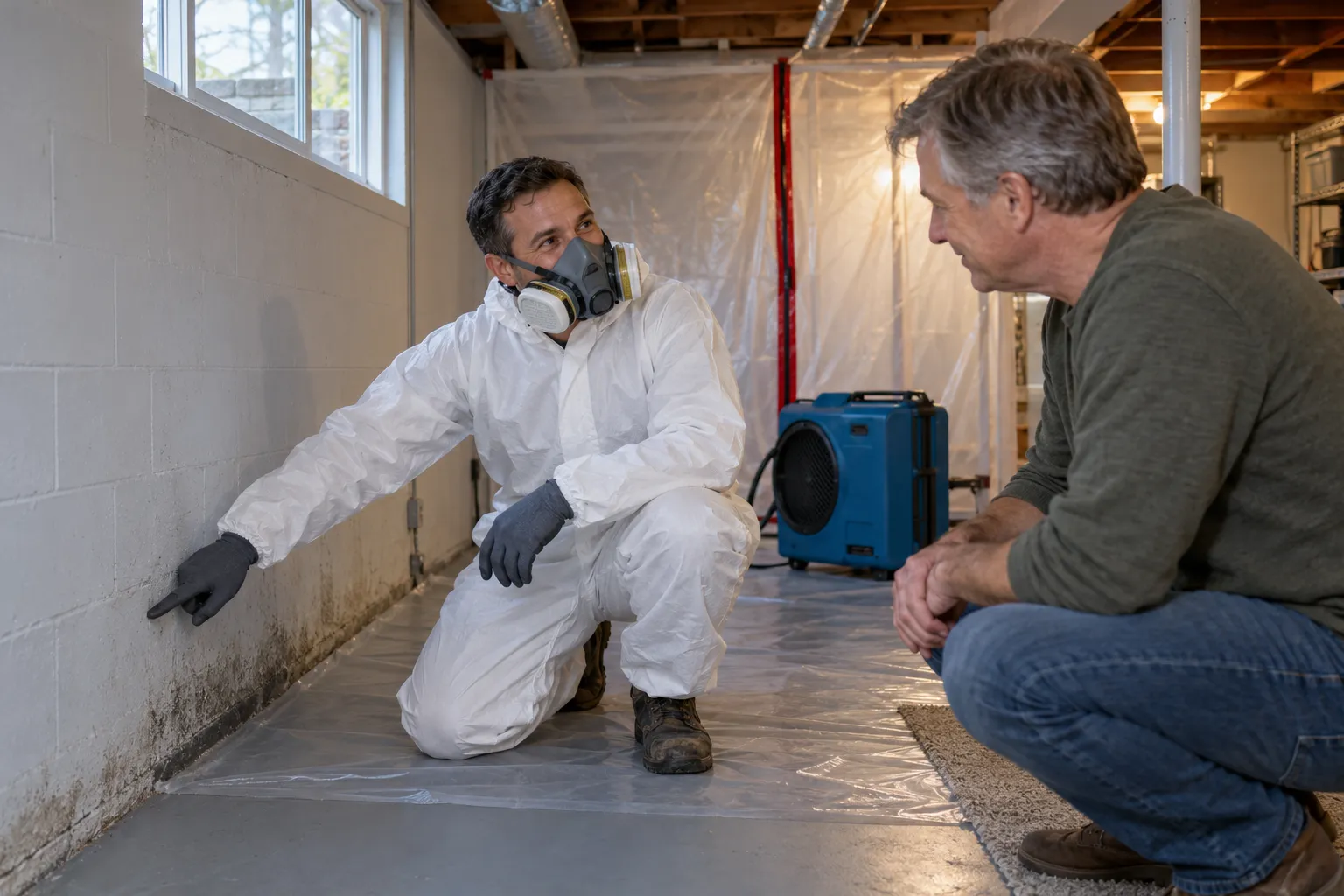
Mold remediation is the process of safely removing mold growth from a home and fixing the conditions that let it grow. It usually includes sealing off the work area, removing materials that can't be cleaned, cleaning and treating the surfaces that remain, and drying the space so mold has a harder time coming back.
Extendedlines Mold Help is a referral service. When you call, we connect you with an independent local remediation provider in the Hobart area. The provider inspects the affected area, explains how far the growth has spread and gives you a written estimate before work begins. They can also point out the moisture source, such as a leak or poor ventilation, so it can be fixed. Ask how they will contain the work area, what they plan to remove and how they will confirm the job is complete.
Mold in Your Home? Start Here
If you've found mold, the first goal is to keep it from spreading further. Don't scrub, sand or dry-brush it. That can push spores into the air and onto other surfaces. Close the door to the room if you can, and avoid running fans that blow air across the growth.
Next, look for the water. Mold almost always points to a moisture problem, such as a leak, a past flood, condensation or high humidity. If a pipe is dripping, shut off the water to that fixture.
Then get help on the way. The sooner a provider can see the area, the sooner you'll know how big the job is. If you or anyone at home has health concerns, talk to a doctor.
Why Mold Gets Worse Over Time
Mold doesn't stay put while conditions are damp. It grows in stages.
The First Few Days
On wet drywall, wood or carpet, mold can begin to grow within one to two days. At first, it may not be visible. You might only notice a faint musty smell.
The Following Weeks
Growth spreads across the surface and into porous materials. Spots appear on walls, ceilings or the backs of cabinets. The smell gets stronger, especially in closed rooms.
Months Later
Mold can spread inside wall cavities, under flooring and across attic sheathing. Materials may stain, soften or break down. More material usually needs to be removed, and the job gets bigger and more expensive.
Remediation stops this cycle by removing the growth and fixing the moisture that feeds it.
What Mold Remediation Includes
Every job is different, but most follow the same core steps. Many providers base their process on the IICRC S520 standard for mold remediation.
- Inspection and moisture check. The provider looks at the affected area, finds the moisture source and maps how far the growth goes.
- Containment. Plastic sheeting and sealed doorways keep the work area separate from the rest of the home.
- Air filtration. HEPA air scrubbers and negative air pressure help keep spores from drifting into clean rooms.
- Removal. Moldy drywall, insulation, carpet and other porous materials are cut out, bagged and removed.
- Cleaning. Remaining surfaces, like framing and subfloor, are HEPA-vacuumed, cleaned and often treated.
- Drying. Dehumidifiers and air movers bring moisture back to normal levels.
- Final check. The provider inspects the area, and some homeowners choose clearance testing.
The provider will tell you which steps your home needs.
Why Containment Matters
Disturbing mold releases spores. Without containment, they can settle in rooms that were clean before the work started. That's why providers seal off the work area before removal begins.
For a small job, containment may be a single sheet of plastic around a wall section. For a larger job, it can be a full enclosure with a zipper door, a negative air machine venting outside and protective gear for the crew. Ask the provider what level of containment they plan to use, and why.
Fixing the Moisture Source
Removing mold without fixing the moisture is like mopping a floor while the tap is still running. The mold is likely to return.
Common moisture sources include:
- Plumbing leaks inside walls or under sinks
- Roof or flashing leaks that wet the attic
- Bathroom fans that are missing, weak or vented into the attic
- Condensation on cold windows, ducts or pipes
- Groundwater seeping into basements and crawl spaces
- Water damage that was never fully dried
Some remediation providers fix these issues themselves. Others will recommend a plumber, roofer or HVAC contractor. Ask how your provider handles it.
Working With Your Insurance
Mold coverage varies a lot between policies. Some policies may cover mold that results from a sudden, covered event, like a burst pipe. Mold from long-term leaks, humidity or poor maintenance is often excluded or capped. Check your policy and talk to your insurer early.
Take photos of the mold and any water damage before work starts. Keep receipts and written reports. Providers can often help document the damage for your claim, but your insurer decides what is covered.
Choosing a Remediation Provider
When you're connected with a provider through Extendedlines Mold Help, you're talking with an independent local business. Ask a few questions before work begins:
- Are you licensed for mold remediation in Indiana, if a license is required?
- Is your crew trained to IICRC standards?
- How will you contain the work area?
- What will you remove, and what can be cleaned?
- Can I get a written estimate before you start?
- How will we know the job is complete?
You're never obligated to hire the first provider you speak with.
After Remediation
Once the work is done, walk through the area with the provider. The space should be dry, the musty smell should be gone, and there should be no visible growth. Some homeowners hire a separate inspector for clearance testing. Then repairs, like new drywall and paint, can move ahead.
Ready to get started? Call to check provider availability near you.
What's Included
Inspection and Moisture Check
The provider finds the moisture source, maps the growth and explains what needs to be done.
Containment and Air Filtration
Plastic barriers and HEPA air scrubbers help keep spores out of the rest of your home.
Removal and Cleaning
Moldy porous materials are removed, and remaining surfaces are HEPA-vacuumed and cleaned.
Drying and Final Check
The area is dried to normal moisture levels and inspected before containment comes down.
What Does Mold Remediation Cost?
Cost depends on the size of the affected area, where the mold is and how much material must be removed. The figures below are typical U.S. ranges that vary by job, so always ask for a written quote.
| Item | Typical range | Notes |
|---|---|---|
| Small area, one spot | $500 – $1,500 | Under about 10 sq ft, easy to reach |
| Average remediation job | $1,500 – $6,000 | One room or one problem area |
| Large or whole-home job | $10,000 – $30,000+ | Several areas, walls or HVAC involved |
| Per square foot | $10 – $25 | Varies with access and materials |
| Attic or crawl space | $1,500 – $5,000 | Depends on size and access |
| Post-remediation clearance test | $200 – $600 | Often done by a separate inspector |
How It Works
1. Call Extendedlines Mold Help
Tell us what you're seeing and where you are. We connect you with a local remediation provider.
2. Inspection and Estimate
The provider checks the growth, finds the moisture source and gives you a written estimate.
3. Containment and Removal
The work area is sealed off, moldy materials are removed and surfaces are cleaned.
4. Drying and Walkthrough
The area is dried, inspected and walked through with you before repairs begin.
Why Call Extendedlines Mold Help
Faster Connection
One call routes you to a local provider, so you spend less time searching while mold spreads.
Local Knowledge
Providers in our network work in the Hobart area and know where mold tends to grow in local homes.
Written Estimates
Ask the provider for a written estimate before work begins, so you know what to expect.
Your Choice
There's no obligation to hire. Ask questions and decide what's right for your home.